National Advocacy
Social Media is fueling a youth mental health crisis.
Canada has introduced legislation to raise the Social Media Age to 16.
Bill C-34 is now before Parliament.
Sign our Call To Action, help ensure it becomes law.
Join %{CTA_COUNT} others
As seen on:




Call to Action: Raise the age of Social Media Access To 16
Age gate supporters:












“Digital platforms are taking advantage of children’s vulnerabilities...
Regulating digital platforms - including age restrictions - will keep children safer and healthier online.”
Data Shows the Crisis

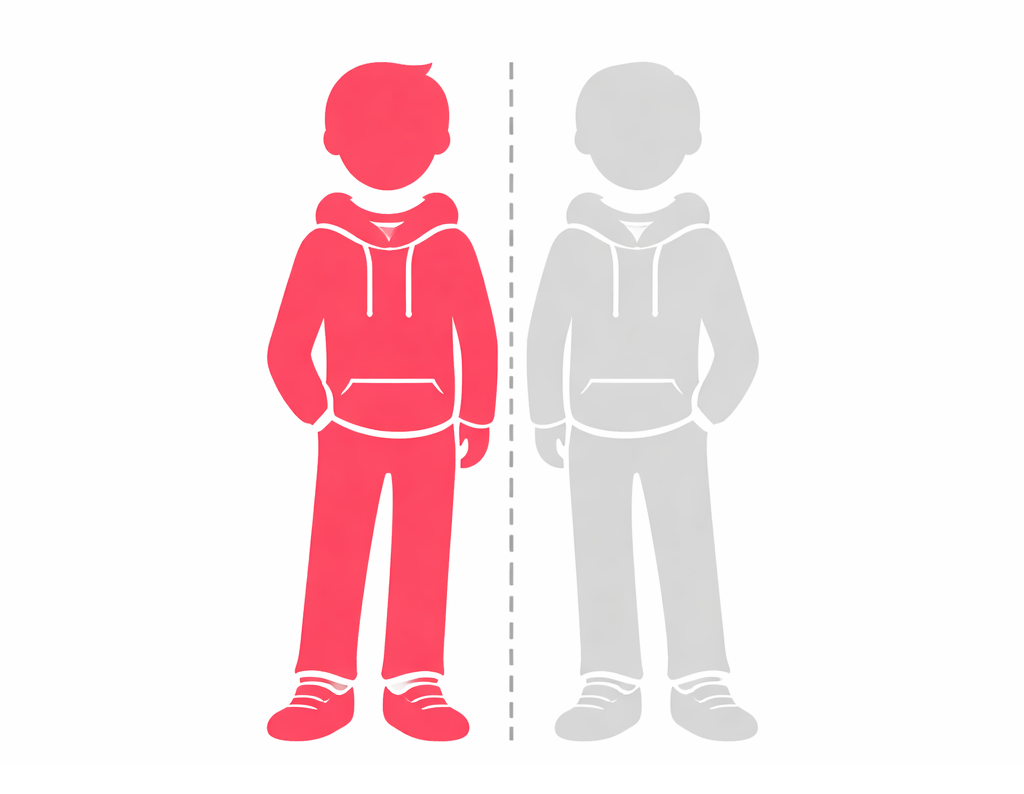
31% of Canadian teen girls are compulsive users, 35+hrs/week on social media.
(CAMH)
48% of teens say social media is “mostly negative” for teens.
(Pew Research)
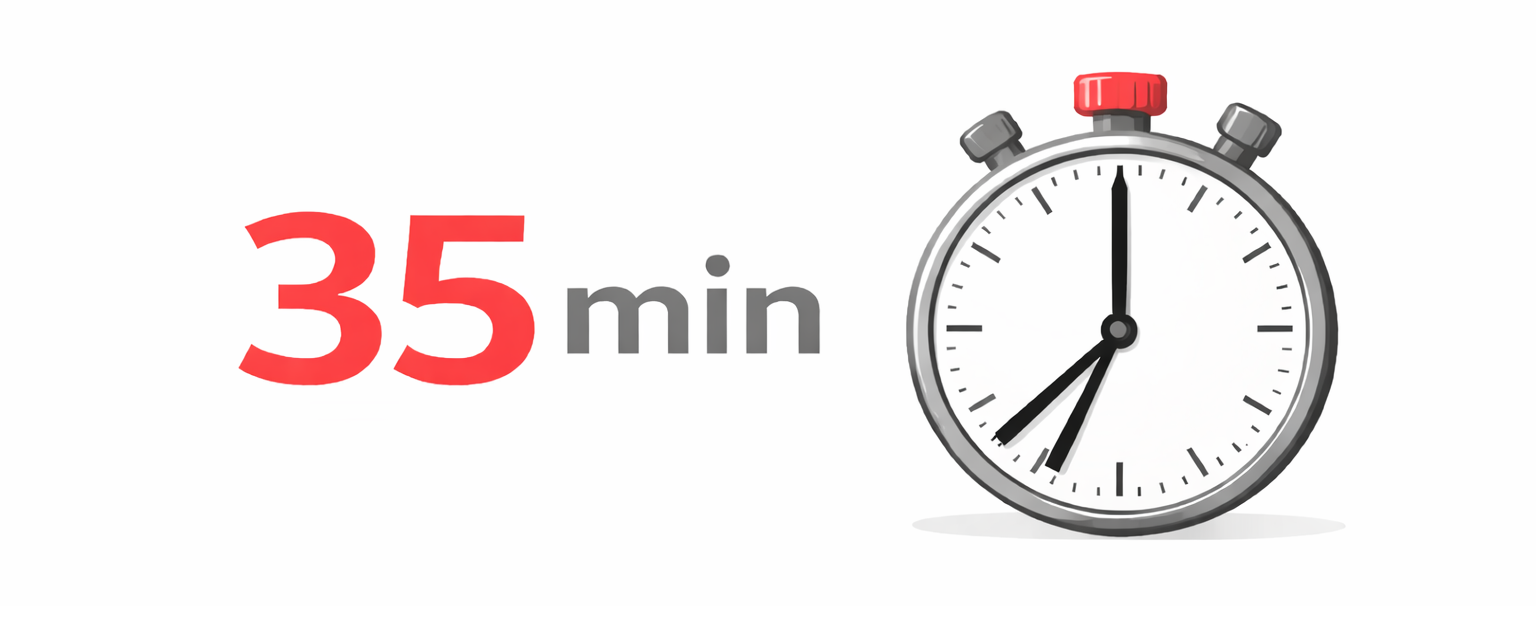
The time it takes to form a TikTok addiction, according to state investigators.
(NPR)
Peer Countries Are Already Acting
















-
Because puberty. Research shows ages 11–15 are when youth are most vulnerable to social media harms. Other countries worldwide are setting similar age limits to delay access until 15 or 16 years old.
-
-
Social media platforms are responsible for preventing underage kids from creating accounts. Enforcement combines:
Privacy-preserving age restriction technologies.
Media company penalties for non-compliance.
Similar verification already works in other countries and other industries today.
-
Community matters. Harmful social media trades in comparisons. And its design often increases cyberbullying and even radicalization for vulnerable youth. This law ensures any online communities they join are safer and healthier.
-
The legislation strengthens youth privacy rights:
Age restrictions on accounts stops the sharing/sale of minors’ account data, limiting profiling and ad targeting.
Age restriction technology uses minimal data to prevent this account creation.
We want Canada to raise children’s privacy rights to international standards.
-
Free expression means freedom from manipulation by addictive digital design. These platforms limit youth freedom more than enhance them.
82% of Gen Z call social media “addicting”, according to a 2024 Harris Poll.
TikTok’s own documents show it can become addictive after just 35 minutes.
We already won’t let kids drive and gamble because the potential for harm is too great. Kids deserve to be given products that are safe for them.
-
Education is essential. And insufficient, given that social media platforms are designed to addict (likes, infinite scroll, variable rewards, etc.) and mounting research shows its harms last.
Education + platform accountability + protective guardrails delaying exposure to 16 is the most effective approach.
-
Yes, this matters. It is addressed in bill C-34 too, including requirements for safer design standards. We agree the solution requires layered approaches — like road safety, where we engineer safer cars (platform accountability), set ages for driving (age minimums), and teach driver's education (digital literacy).
-
We recognize that age minimums are one piece of a broader child online safety solution. We also support digital literacy, platform accountability measures, and protections against emerging tech threats like AI-generated deepfakes.
-
In our open letter to Prime Minister Carney, backed by dozens of organizations and hundreds of experts, we set out three components that effective youth digital safety legislation must include: a social media age minimum of 16, supported by age-appropriate design for everyone under 18 and a dedicated regulator with the power to enforce these rules.
We support the Safe Social Media Act because it delivers on all three.
Read our full statement here.
Frequently Asked Questions